

Inheriting a property happens quickly and rarely comes without complications — multiple heirs, difficult personalities, unclear legal standing, and mountains of paperwork. All of this often unfolds during a time of grief, making it even harder to stay focused. When a loved one passes and leaves real estate behind, especially with several heirs involved, things can spiral fast. You’ll likely find yourself needing answers to these pressing questions right away:
- Does this property need to go through probate?
- Who is going to step up and take charge of the process?
- What if the property needs major repairs or is severely distressed — or even full of junk?
- Who is responsible for keeping up with the mortgage or any lines of credit?
- Who are the rightful legal owners of the property now?
- What are the options for the house, and how quickly can this situation be resolved?
You already have a full life — a job, a family, and your own responsibilities. Taking on an inherited property on top of everything else demands serious time, energy, and organizational effort.
Does a probate process need to be started?
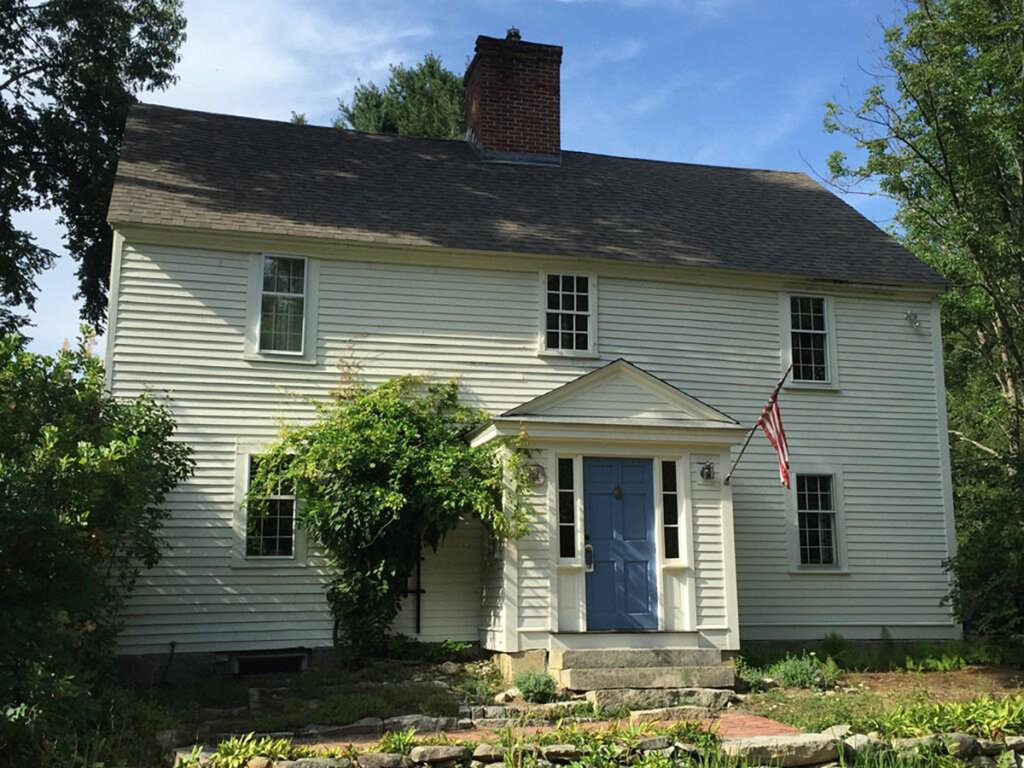
If the deceased was the sole owner of the property, it will typically need to go through probate. In Virginia, probate is handled through the Circuit Court, where an executor or administrator is responsible for managing estate assets, settling debts, and overseeing distribution.
You can verify records through the Virginia Beach Circuit Court Clerk’s Office to find out whether probate has been opened and who holds the legal authority to act on the estate.
So, what comes next?
The next step is identifying who the legal owners of the property actually are — meaning who has decision-making authority, who must be involved in determining what happens to the property, and who is responsible for managing or disposing of it, whether it stays in the family or not.
All parties involved should come together and gather the following key documents:
- Death certificate
- Will (if one exists)
- Probate documents (if applicable)
- Current deed
- List of heirs
If the deceased left no will, Virginia’s intestate succession laws will determine who inherits the property. For instance, a surviving spouse and children may share ownership depending on the specific family situation.
In Virginia, when someone passes without a will, the property is distributed according to state intestate succession laws: a surviving spouse inherits everything if all children are shared between both spouses; in a blended family, the spouse receives one-third and children receive two-thirds; and if there is no spouse or children, other relatives inherit.
Your Options for an Inherited Property
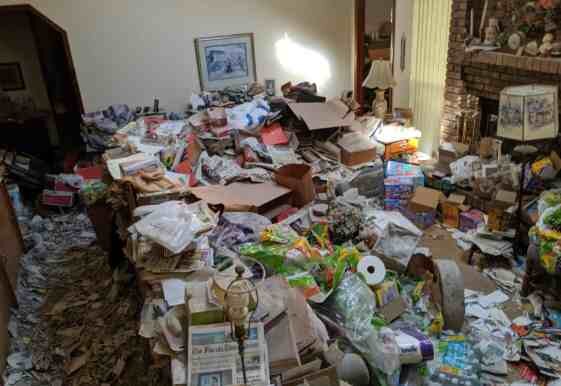
- Sell it and split the proceeds equally among legal owners, or according to a mutually agreed-upon arrangement. This is the fastest, simplest way to settle an inheritance and walk away with cash. Call us for a no-obligation, as-is cash offer: 757-414-7117, or fill out the contact form on this website. No agents, no commissions, no repairs, and no cleaning.
- Keep the property as a rental. The owners will need to agree on who handles immediate repairs, cleaning, code compliance, tenant screening, and ongoing maintenance. Decisions must also be made about who manages tenants, handles taxes and repair issues, collects rent, and how income gets divided among the owners and heirs.
- One heir buys out the shares of the others and keeps or sells the property. Example:
- Home value: $300,000
- 3 heirs own equal shares
- One heir wants the house
- That heir may refinance the property and pay the other two heirs their respective shares due, subject to a written agreement and proper legal documentation.
Selling an inherited property is often the simplest path forward. Most people don’t realize how complex the process can get — paperwork to gather, forms to file, institutions to contact, and a property that may need cleaning, repairs, or renovation. Heirs frequently clash over who does what and who pays for what. Fortunately, there’s one option that cuts through the stress: selling the house fast for cash to an investor — like us. Call 757-414-7117 to talk through your options. We work with inherited properties regularly and can walk you through what makes sense for your situation. In most cases, selling and dividing the cash is far easier than dividing up duties, debts, and decisions. Cash is simple to split. A house is not.
Common issues to watch out for
- Mortgage or Liens
An inherited property may come with existing financial obligations, including:
- Mortgage balance
- HOA dues
- City liens
- Tax obligations
- Code violations
Property taxes
Keep property taxes current while ownership is still being sorted out.
Capital gains considerations
Inherited real estate typically receives a stepped-up basis adjustment to fair market value as of the date of death, which can have a significant impact on taxes when the property is sold. Be sure to consult a CPA to review your specific circumstances.